
Eric’s Top Personal Development Reads.
The eight personal development books Eric puts at the top of his reading list, in his own order.
Eric Chow’s top personal development reads are eight books, from Dale Carnegie and Napoleon Hill to Stephen R. Covey and Frank Bettger. Eric reads every day, and since he graduated from high school in 2019 he has read more than 130 books, in personal development, business, and biographies.
This is his short list of the personal development books, in his own order. For each one: the author, the year it was first published, and what it is about.
1. The Magic of Thinking Big
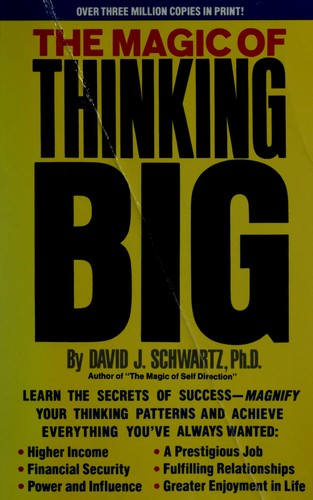
The Magic of Thinking Big by David J. Schwartz, first published in 1959.
Schwartz argues that the size of a person’s thinking sets the size of their results. He turns that into daily practice: believing you can succeed, curing the habit of making excuses (he calls it excusitis), and acting in spite of fear.
2. How to Win Friends & Influence People
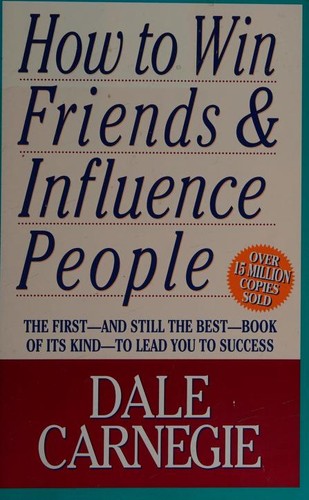
How to Win Friends & Influence People by Dale Carnegie, first published in 1936.
Carnegie’s guide to dealing with people, drawn from the courses he taught adults in speaking and human relations. Its principles are simple to state: don’t criticize, condemn, or complain; become genuinely interested in other people; remember names; and see things from the other person’s point of view.
3. The Go-Giver
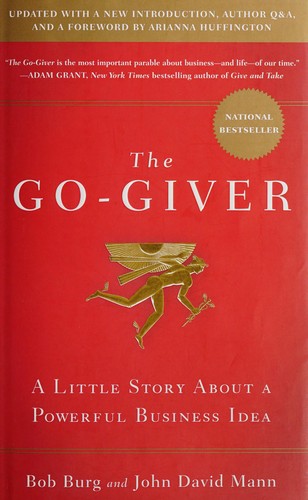
The Go-Giver by Bob Burg and John David Mann, first published in 2007.
A short business parable. Joe, an ambitious young go-getter, meets a mentor named Pindar, who teaches him five laws of giving, beginning with the idea that your worth rests on how much more value you give than you take in payment.
4. Think and Grow Rich
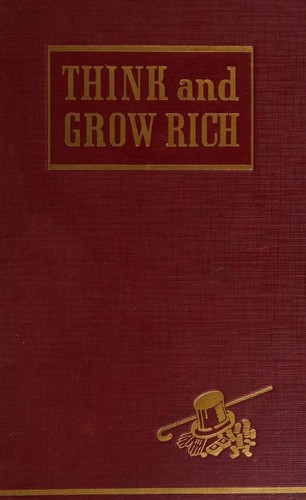
Think and Grow Rich by Napoleon Hill, first published in 1937.
Hill’s account of what he learned studying successful people of his time, set out as thirteen steps. It starts with desire and a definite purpose backed by a plan, and returns throughout to the idea that thoughts held with purpose and persistence turn into results.
5. The Master Key to Riches
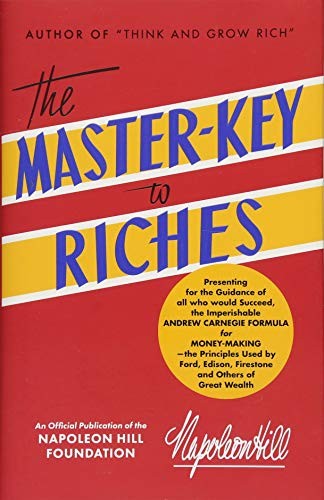
The Master Key to Riches by Napoleon Hill, first published in 1945.
A later statement of Hill’s philosophy of personal achievement. It gathers ideas he returned to across his work, among them definiteness of purpose, the Master Mind alliance, and going the extra mile.
6. Outwitting the Devil
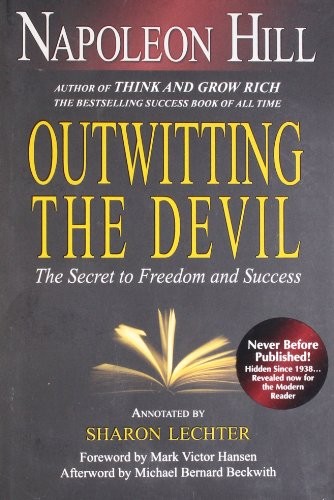
Outwitting the Devil by Napoleon Hill, written in 1938, published in 2011.
Hill wrote it in 1938; it went unpublished for more than seventy years and appeared in 2011, annotated by Sharon Lechter. Written as an imagined interview with the Devil, it is about fear, the habit Hill calls drifting, and taking back control of your own mind.
7. The 7 Habits of Highly Effective People
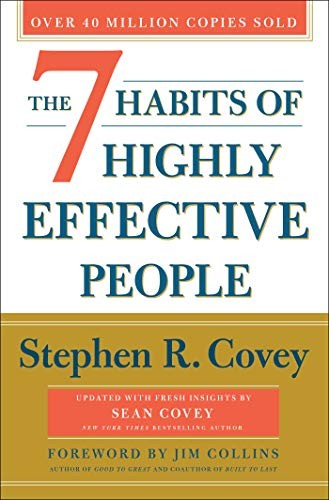
The 7 Habits of Highly Effective People by Stephen R. Covey, first published in 1989.
Covey sets out seven habits that move a person from dependence to independence and then to interdependence, from being proactive and beginning with the end in mind to putting first things first. His case is that lasting effectiveness comes from character and principles, not quick techniques.
“I’m reading a wonderful book called the seven habits of highly effective people by Stephen Covey and one of the things he shares in the book is there’s a difference between urgent and important.”
Eric Chow, The Eric Chow Empowers Podcast, episode 40
8. How I Raised Myself from Failure to Success in Selling
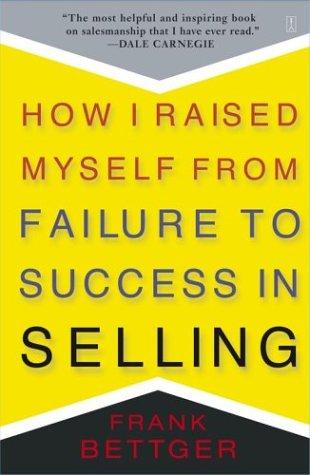
How I Raised Myself from Failure to Success in Selling by Frank Bettger, first published in 1947.
An injury ended Bettger’s professional baseball career, and he turned to selling life insurance. The book is his account of what changed his results: enthusiasm, asking questions, and finding out what the other person wants.
More from Eric’s Reading
Eric reads 15 to 30 minutes a day and keeps notes he reviews daily and weekly, as he explains in episode 64 of his podcast. The books he recommended at the start of 2020 are in Book Recommendations.